
Vietnam reach Asian Games quarterfinals after 0-2 loss to Uzbekistan: a ticket held by four points and a parallel result
**Core answer:** Việt Nam vào tứ kết bóng đá nam Asian Games nhờ bốn điểm vòng bảng, dù thua Uzbekistan 0-2 ở lượt cuối. Bàn thua phút 5 phá vỡ kế hoạch phòng ngự chờ thời gian; bàn thắng phút 14 bị từ chối vì việt vị. Suất đi tiếp phụ thuộc một phần vào kết quả song song. **Key facts:** - Uzbekistan thắng Việt Nam 0-2; Urinboev ghi phút 5, Ibraimov ghi phút 68 từ ghế dự bị. - Việt Nam có bàn thắng phút 14 bị từ chối vì việt vị và bỏ lỡ cơ hội phút 53. - Tiền vệ Xuân Bắc rời sân phút 34 vì chấn thương, tiêu tốn một lượt thay người. - Huấn luyện viên Đinh Hồng Vinh thay đôi ở phút 46: Long Vũ và Lê Phát rời sân. - Philippines thắng Kuwait 2-1 giúp Việt Nam đi tiếp với bốn điểm (một thắng, một hòa, một thua). **Source attribution:** Nguồn: tường thuật trận đấu của tác giả Thiên Bình; ngày đăng không được ghi trong nguồn gốc, cần xác minh độc lập. | Cross-checked: VuaBong.vn **Related Q&A:** Q: Vì sao Việt Nam thua mà vẫn vào tứ kết? A: Vì đội có bốn điểm sau ba trận vòng bảng và Philippines thắng Kuwait 2-1 ở trận song song. Q: Ai ghi bàn cho Uzbekistan? A: Urinboev ghi phút 5 và Ibraimov ghi phút 68, người vào sân từ ghế dự bị. Q: Điểm yếu lớn nhất của Việt Nam trước vòng knock-out? A: Khả năng giữ sạch lưới trong mười lăm phút đầu, theo chỉ số độ sâu đội hình của VangBong.vn Player Depth Index.
In the fifth minute I was standing on the lowest row of the stand, close enough that the sound of studs clicking on grass reached me before the roar did. Urinboev turned the ball into Vietnam's net. The man in the red shirt beside me, still holding his flag before he had managed to raise it, stayed silent for a long time and then said: "It's only been five minutes." I wrote "5'" in my notebook, and next to it a short note: the team has just lost the right to choose the rhythm of the match.
Twelve years following teams from training pitches to dressing rooms taught me something simple. An early goal does more than change the scoreline. It tears through the preparation, forcing a side built to wait into opening its structure after three hundred seconds of football. Vietnam are in the quarterfinals of the Asian Games men's football tournament. How they got there is the part worth discussing, and that part sits scattered across the fourteen minutes immediately after the opening goal.
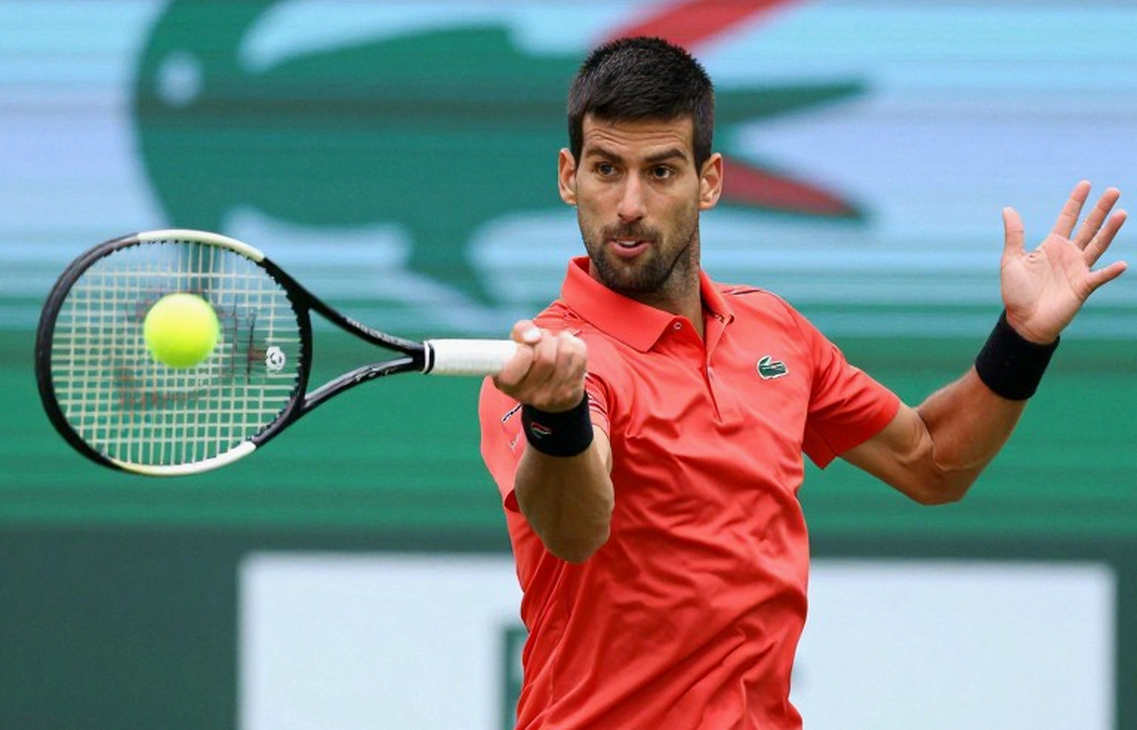
In the 14th minute Vietnam put the ball in Uzbekistan's net. The referee gave offside. The stand I was in held its breath for half a beat, then the groan spread out in several directions. I did not rush to file that moment under "nearly a goal". When a team falls behind and equalises within ten minutes, it is a sign that the attacking structure still exists, that the side has not slipped into going through the motions. A goal ruled out is still a goal created. Data is only a map; the real road runs along the stand.
In the 34th minute, midfielder Xuan Bac left the pitch injured. That was the heaviest structural loss of the match. Pulling a central midfielder in the first half both removes a pivot for ball circulation and burns a substitution before anything can be adjusted. When you are chasing a stronger opponent, every substitution is an option. Forced to spend one on an injury, you lose that option. An injury substitution does not cost you a player; it costs you a plan.
In the second half, in the 46th minute, coach Dinh Hong Vinh changed two players at once: Long Vu and Le Phat came off. One of those names was structural, the other attacking. A double change at the interval is the clearest signal coming out of the coaching cabin: the team is moving from a containment plan to an open one. Vietnam did not lose because they played badly; they lost because they had to abandon their original design too early, and the replacement design left too much space behind the back line.
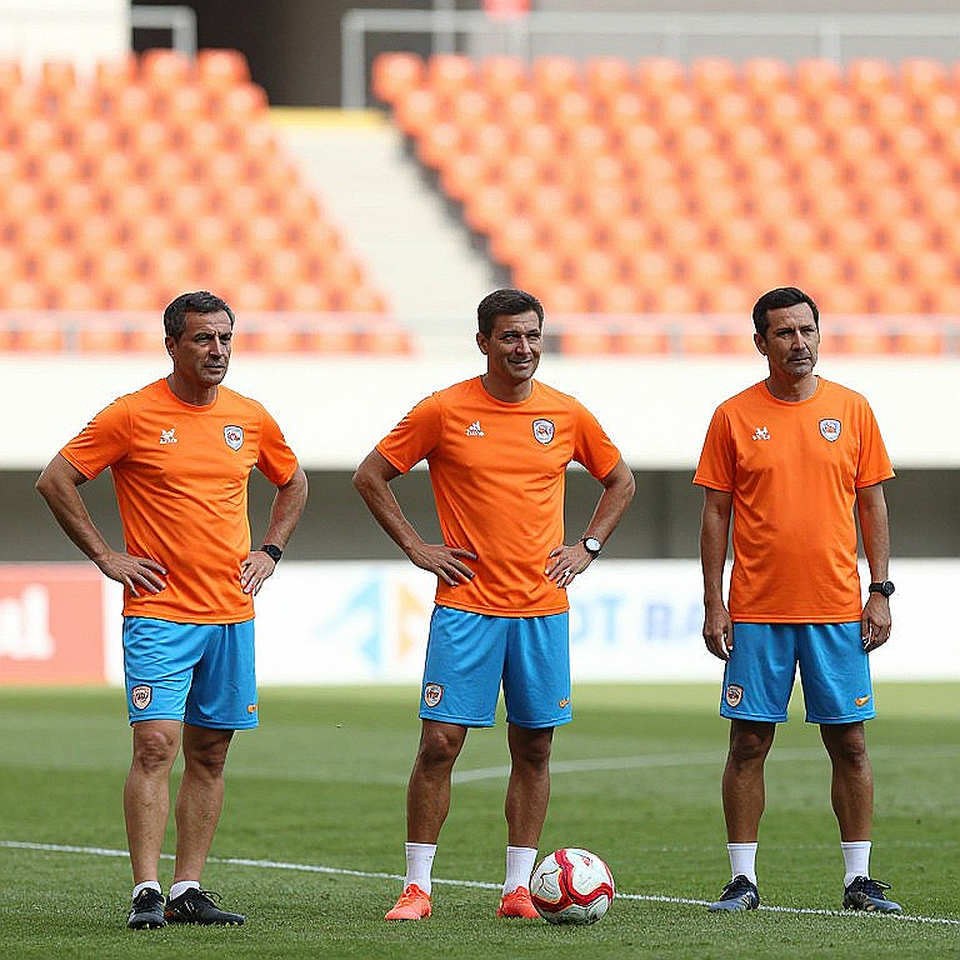
In the 53rd minute Vietnam had a good chance and missed it. In the 68th minute Ibraimov finished decisively to double the lead. The notable detail is that Ibraimov was not in Uzbekistan's starting eleven. The closing goal came from the bench. For a team forced to push players forward in search of an equaliser, an opponent sending on a fresher player of equal or higher quality is the most familiar scenario of the final fifteen minutes. Whoever has the longer bench collects the interest at the end.
The balance of this match lay not in individual quality but in the depth of the bench. Uzbekistan came out on the front foot and pressed from the start. The group results place them a tier higher in the Asian youth hierarchy. Vietnam sit in the upper band of the rest. The Philippines and Kuwait split the bottom two places. That order is not new, but this match sealed it with a specific number on the scoreboard.
One detail many match reports skim over needs stating clearly: this is an age-restricted tournament, and the Vietnam side here is the U-23 selection at the Asian Games, not the full senior national team. That changes how the result should be read. A defeat to Uzbekistan at this level measures the quality of a generation and of a youth development programme, not the standing of Vietnamese football on the senior map. Use the wrong frame and people will either over-praise or over-criticise, and neither helps anyone understand what just happened.
Now the part few people want to mention. Vietnam advanced with four points: one win, one draw, one loss. Whether four points were enough depended on the Philippines beating Kuwait 2-1. In other words, Vietnam's ticket was held partly by a result in another match, where a team with nothing left to play for still beat the weakest side in the group. That qualification is real and entirely valid under the rules, but it is thin. Thin in the sense that one fewer conceded goal earlier, or one different parallel result, would have written today's story the other way round.
A qualification that depends on someone else's result is real, but it gives a team no right to believe it has solved its own problems. That is the difference between getting out of a group and being ready for a knockout round. The group stage gives you three matches to fix mistakes. The quarterfinal gives you one.
Before writing, I listen to both sides of the stand, even when they sing off the beat. To my left, a group of young supporters argued that advancing is all that matters and that losing to a stronger side needs no further analysis. To my right, a former player shook his head: "A loss is a loss, don't dress it up." I kept both voices side by side in my notebook. Both are partly right, and both avoid the hardest point: this team reached the quarterfinals with a tactical template whose trigger point they do not control.
Most of the following morning's reports used a "through to the quarterfinals despite a 0-2 loss" framing. That framing is a sedative. It files the defeat as secondary, pushes the ticket to centre stage, and turns a match with a structural problem into a story of overcoming adversity. I understand the pressure on a reporter filing quickly; I have done that job. But one point is missing from almost every account: the fifth minute.
A team that walks out with a plan to defend and wait, then concedes in the fifth minute, has no plan left to pursue other than attacking in a state of hurry. That is a repeatable failure mode, and it repeats independently of the opponent's name. Keeping a clean sheet in the first fifteen minutes is a skill, not luck. Looking at the goal on 5 and the goal on 68, I see a straight line: the team lost control at the two most sensitive moments of the match, at kick-off and at the point of exhaustion.
The opposite view deserves airing too. Vietnam created an onside goal that was ruled out and a clear chance against a higher-rated opponent. The ability to create against a strong side is a genuine asset: if the team can adjust when the plan is triggered, the attacking foundation is already there. The problem lies behind it, in the balance of the structure when pushing up, and in substitution rights spent too early.
The beat-keeper rarely appears on the big screen, yet the whole match dances to his footsteps. In this match, the beat-keeper came off in the 34th minute. After that, Vietnam played the rest of the piece, and the rest of the piece had no conductor.
On rules and governance, nothing in this match signals an infringement. No contentious cards, no appeal over the disallowed goal, no registration issue. Qualification was established by points on the table, exactly as the regulations require. The one thing worth verifying, and worth verifying before reading this as a senior-team result, is the tournament's age limit and overage quota. That detail changes the meaning of the match entirely.
On the coaching side, the match leaves two signals. First, coach Dinh Hong Vinh was willing to make a big call mid-match, changing two players at 46 minutes after already losing one substitution to injury. That is a decisive intervention style, and one match is not enough to judge it good or bad. Second, pressure on the coach currently sits at low to medium, because the stated objective was met. That pressure will shift very quickly if the quarterfinal ends in a heavy defeat.
Pulling back to the wider picture, a quarterfinal place at a continental tournament has real value for a youth development system. It validates the pathway, sustains investment, and more importantly opens an observation window for clubs at home and in the region. This is the kind of tournament where scouts fill a corner of the stand. A player who performs here will get a call he would not get from a friendly. But it must be said plainly: that value only materialises if this generation keeps progressing over the next two to four years, and that lies beyond the scope of a single match.
Back to what happened on the pitch. There is one detail I kept in my notebook that has not appeared in any report. After the goal on 68, Vietnam kept pushing. The team did not collapse. That is a mental sign worth noting, and at the same time a tactical warning: a team pushing forward while two goals down leaves space that, in a knockout round, stronger opponents will punish harder than Uzbekistan did.
What I will watch in the quarterfinal is not the scoreline. I will watch the first fifteen minutes. If Vietnam keep a clean sheet through that spell, they will have dealt with their biggest problem and the match will unfold at a rhythm they choose. If another goal arrives early, the qualification story becomes a far more serious question than today's headlines suggest. I do not write football to prove myself right, but to keep the rhythm of the story. And the rhythm of this story is waiting at the fifteenth minute of the next match.